






Exploring the Depth of Strategy Games: A Realm of Tactical Mastery
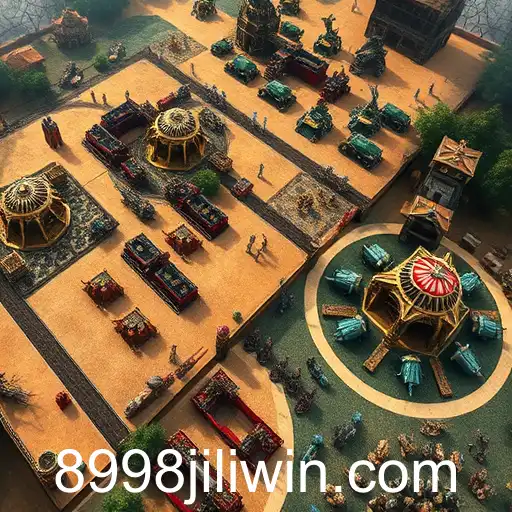
Strategy games have long held a cherished place in the hearts of gamers worldwide. Characterized by their emphasis on skillful thinking, foresight, and planning, this genre requires players to employ tactics to achieve victory. Often set in complex worlds, players must make critical decisions, manage resources, and outwit opponents. The appeal lies in the intellectual challenge and the satisfaction of outmaneuvering adversaries.
Historically, strategy games have evolved significantly. From the early days of board games such as chess and Go to modern digital wonders like StarCraft, Civilization, and Total War, the genre has expanded in complexity and diversity. Each game provides a unique experience, often blending detailed simulations, historical scenarios, or futuristic themes.
Digital strategy games generally fall into two main categories: turn-based and real-time. Turn-based strategy (TBS) games, like the Civilization series, offer players the luxury of time to plot their moves, leading to deep tactical considerations. In contrast, real-time strategy (RTS) games, such as Warcraft or Age of Empires, require quick thinking and rapid decision-making as events occur in real-time. This dichotomy allows the strategy game genre to appeal to a wide array of players.
Despite technological advances, the core tenets of strategy games remain unchanged. Success relies on the player's ability to adapt to evolving situations, plan several steps ahead, and utilize limited resources effectively. This intricate balance between strategy and execution is what keeps players returning to the genre time and again.
In recent years, strategy games have benefitted from advancements in technology and online connectivity. Many games now offer multiplayer modes, allowing players to test their skills against others globally. This has fostered a vibrant community of strategy game enthusiasts who share tips, engage in discussions, and organize competitive tournaments.
Moreover, as the genre has grown in popularity, developers have experimented with incorporating elements from other genres. Hybrid games that combine strategic planning with other gameplay elements, such as role-playing or action, have introduced novel experiences and attracted a broader audience.
As we look to the future, strategy games will undoubtedly continue to evolve. With the potential of emerging technologies like virtual reality and artificial intelligence, the possibilities for innovation and immersive experiences in the realm of strategy games are exciting. The genre's ability to challenge minds, engage players in strategic thinking, and provide a platform for intellectual competition ensures it will remain a staple in the gaming world for decades to come.
The Rise and Challenges of Online Gaming in 2026

Exploring the current state and future prospects of the online gaming industry in 2026, focusing on key platforms and emerging challenges.
2026-01-13
Game Platforms Evolving: The Role of 8998JILI

Exploring the evolution of online gaming platforms with a focus on the unique aspects of 8998JILI.
2026-01-12
The Rise of Online Gaming in the Modern Era

Exploring the evolution and impact of online gaming platforms like 8998JILI in 2026.
2026-01-11
Online Gaming Innovations and Industry Trends

Exploring the latest trends and dynamics in the online gaming industry with a focus on innovation and market growth.
2026-01-09

 download apk/ios